Everything About Car Components: A Comprehensive Guide for every single Car Owner
Understanding automobile parts is necessary for each automobile owner. These elements play a key role in car efficiency and safety. Recognizing when to change them can prevent bigger issues down the line. Familiarity with vital components and maintenance techniques empowers proprietors to make educated decisions. However, the selection in between aftermarket and OEM components can complicate matters. What variables should one think about when picking replacements? The answers might amaze you.
Recognizing the Fundamentals of Automobile Components
Vehicle components are the fundamental elements that maintain a vehicle functioning successfully. Recognizing the basics of these components is vital for any type of cars and truck proprietor. Each component plays a particular function, adding to the general efficiency and safety of the lorry. Trick categories consist of the engine, transmission, brakes, and electric systems.
Engine components, such as shutoffs and pistons, collaborate to convert gas into power. The transmission system guarantees that power from the engine is provided to the wheels effectively. At the same time, brakes are critical for risk-free stopping, utilizing parts like brake pads and rotors.
Electrical components, including the battery and generator, manage the lorry's electrical needs. Vehicle owners need to familiarize themselves with these components to facilitate repair and maintenance. A complete understanding of vehicle parts not just help in repairing but likewise boosts the overall driving experience.
Essential Components of Your Lorry
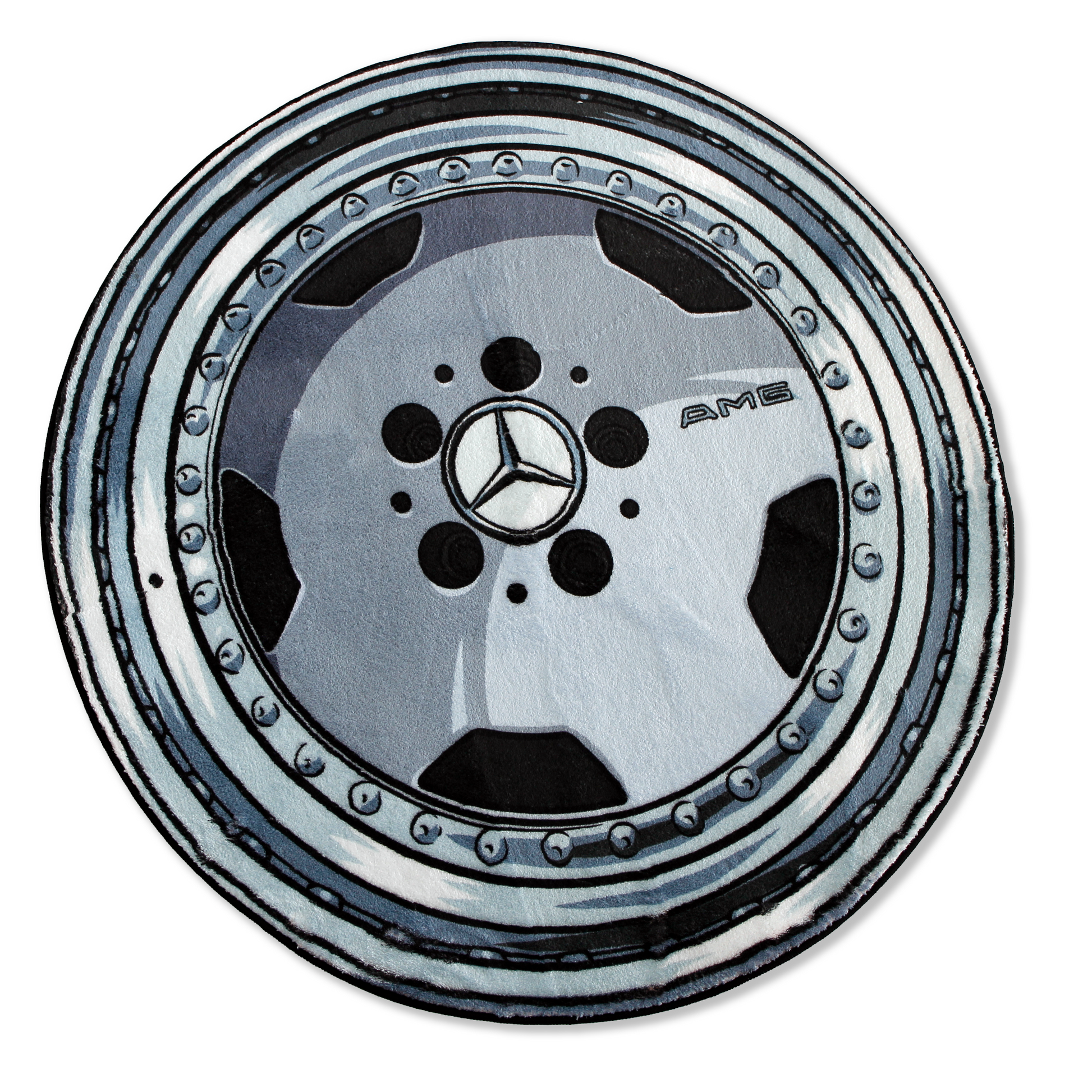
The crucial elements of an automobile play a crucial role in its total efficiency and safety. Key components such as the engine, transmission, and brake system are fundamental to making sure a smooth driving experience (17" AMG Aero 3 Wheels). Comprehending these elements aids automobile owners keep their vehicles effectively
Engine and Transmission Parts
Engine and transmission components are fundamental for the excellent efficiency of any vehicle. The engine, frequently described as the heart of the automobile, comprises parts such as the pistons, crankshaft, and camshaft, each playing a substantial duty in transforming gas into motion. Proper functioning of these components warranties optimum power generation and gas effectiveness.
Brake System Elements
Braking systems are important for automobile security and control, guaranteeing vehicle drivers can react successfully to different road problems. The primary components consist of brake pads, rotors, calipers, and brake liquid. Brake pads create rubbing against the blades, making it possible for the vehicle to decrease or stop. Rotors, usually constructed from metal, provide the surface for the brake pads to grasp. Calipers house the brake pads and have pistons that use pressure, pushing the pads versus the rotors. Brake liquid transmits pressure from the brake pedal to the calipers, important for effective braking. Routine assessment and upkeep of these parts are important to ensure peak performance, protecting against possible brake failure and boosting total driving safety and security.
Typical Indicators That Components Need Replacement
While normal upkeep can extend the life of a car, specific signs show that parts might require substitute. Uncommon sounds, such as squealing or grinding, often signal used elements, particularly in the stopping system. Additionally, lowered efficiency, such as slow acceleration or difficulty guiding, may indicate problems with the engine or suspension components. Caution lights on the control panel need to never be ignored, as they can show malfunctioning sensing units or systems that call for interest. Another indication is fluid leakages, which can recommend falling short seals or gaskets that require replacement. Excessive resonance or trembling while driving can signal problems with tires or positioning. Acknowledging these signs early can assist prevent more damages and assure the automobile operates smoothly and safely. Regular evaluations and understanding of these indicators are important for maintaining a trustworthy and safe automobile.
Just How to Choose High Quality Replacement Components

Additionally, examining for guarantees can show the manufacturer's confidence in their item. It is additionally recommended to validate compatibility with the lorry's make and model, as utilizing inaccurate components can result in additional problems - MERCEDES BENZ R129 PANOROMIC ROOF. Consulting a trusted auto mechanic for suggestions can offer useful insights. By thoroughly selecting top quality replacement parts, cars and truck owners can boost their car's dependability and long life, eventually saving time and money in the long run
The Relevance of Routine Upkeep
Routine maintenance is essential for assuring the durability and suitable performance of a car, as neglecting it can cause costly repair work and reduced safety. Routine checks, consisting of oil changes, tire rotations, and brake examinations, assistance recognize possible issues prior to they intensify into major problems. By adhering to the maker's advised maintenance timetable, automobile owners can boost their vehicle's dependability and performance.
In addition, normal upkeep boosts fuel economic situation and minimizes unsafe discharges, contributing to ecological sustainability. It likewise assures that security functions, such as lights and brakes, are functioning correctly, thereby safeguarding the driver and guests. Additionally, well-maintained vehicles usually have higher resale values, making them a lot more click here financially beneficial in the lengthy run (M117 AMG Engine). Eventually, spending time and sources into normal maintenance not only preserves the automobile's efficiency however also cultivates a much safer driving experience for all when traveling
Aftermarket vs. OEM Parts: What You Required to Know
When keeping a vehicle, one essential choice car owners face is whether to pick aftermarket parts or original equipment manufacturer (OEM) components for replacements and repair work. OEM parts are made by the vehicle's manufacturer and are made to satisfy particular requirements, assuring a precise fit and efficiency. They often include a warranty, supplying assurance for the proprietor.
On the other hand, aftermarket parts are created by third-party companies and can differ extensively in top quality and price. Some aftermarket choices might provide improved efficiency or visual enhancements, while others could lack the reliability of OEM components. Car proprietors should consider elements such as compatibility, cost, and meant use when making their option. Eventually, the choice between aftermarket and OEM parts may rely on individual choices, budget constraints, and the particular demands of the car, calling for mindful factor to consider to ensure peak performance and long life.
Tips for Do It Yourself Fixes and Component Setup
Tackling DIY repair work and component installation can encourage cars and truck owners to save cash and obtain a deeper understanding of their vehicle. To start, it is crucial to gather the right devices and devices, ensuring that everything required for the job is readily available. Looking into the particular fixing or setup process via credible resources, such as guidebooks or online tutorials, can additionally supply important understandings and advice.
Vehicle owners ought to ensure they have a clean, well-lit work space to facilitate the repair services. It is necessary to take safety and security precautions, consisting of wearing gloves and safety glasses, to avoid injuries. In addition, keeping and labeling parts track of screws and bolts throughout disassembly can simplify reassembly. Ultimately, perseverance is crucial; hurrying the procedure can lead to mistakes. By following these ideas, do it yourself fanatics can successfully finish fixings and setups, inevitably click here improving their vehicle care abilities.
Frequently Asked Concerns
How Can I Determine copyright Car Components?
To determine copyright auto parts, one must examine product packaging top quality, look for missing out on or altered logos, verify part numbers versus manufacturer databases, and buy from trustworthy dealers. Investigating consumer testimonials can also give valuable insights.
What Guarantees Are Commonly Offered on Automobile Parts?
Typically, auto parts warranties range from 1 month to life time insurance coverage, relying on the producer. They may include limited guarantees, which cover defects, and expanded guarantees for additional defense versus component failures in time.
Where Can I Locate Recalls on Specific Auto Components?
Recalls on specific automobile components can be found on the National Freeway Web Traffic Security Administration (NHTSA) website, suppliers' official internet sites, or via car dealership service divisions, making certain proprietors remain informed concerning security issues associated with their vehicles.
Exactly how Do I Dispose of Old Vehicle Parts Responsibly?
To throw away old car parts sensibly, people must get in touch with regional recycling facilities, automotive stores, or hazardous waste facilities that approve such products, ensuring compliance with ecological regulations and promoting sustainable practices in waste administration.
Can I Mix Different Brands of Automobile Parts?
Mixing various brands of vehicle components is generally possible, yet care is suggested. Compatibility concerns may emerge, impacting get more info efficiency and security. It's smart to seek advice from a professional or describe maker guidelines for ideal outcomes.
Understanding when components require replacement is just part of car maintenance; understanding just how to choose top quality replacement components is equally essential. Car owners need to focus on OEM (Original Equipment Supplier) components, as these are designed especially for their vehicles, guaranteeing perfect fit and efficiency. When maintaining a car, one essential choice vehicle proprietors encounter is whether to choose aftermarket components or initial tools producer (OEM) components for repair work and replacements. Taking on DIY repair work and component installation can encourage vehicle proprietors to conserve cash and acquire a much deeper understanding of their lorry. To identify phony auto parts, one must take a look at packaging quality, check for missing out on or altered logos, verify component numbers versus producer data sources, and purchase from trustworthy suppliers.